
Round Rock ADU Builders: Best Flooring for an ADU Rental: What Holds Up
Round Rock ADU Builders presents this guide on best flooring for an adu rental: what holds up for property owners in Round Rock and Williamson County, Texas.
ADU Flooring: What Holds Up
Flooring is a small line in an ADU budget and a large factor in how the unit performs over years, especially if it will be rented. The failure mode is rarely dramatic. It is a floor that looks tired after three tenants and has to come out entirely.
Start With the Slab, Not the Floor
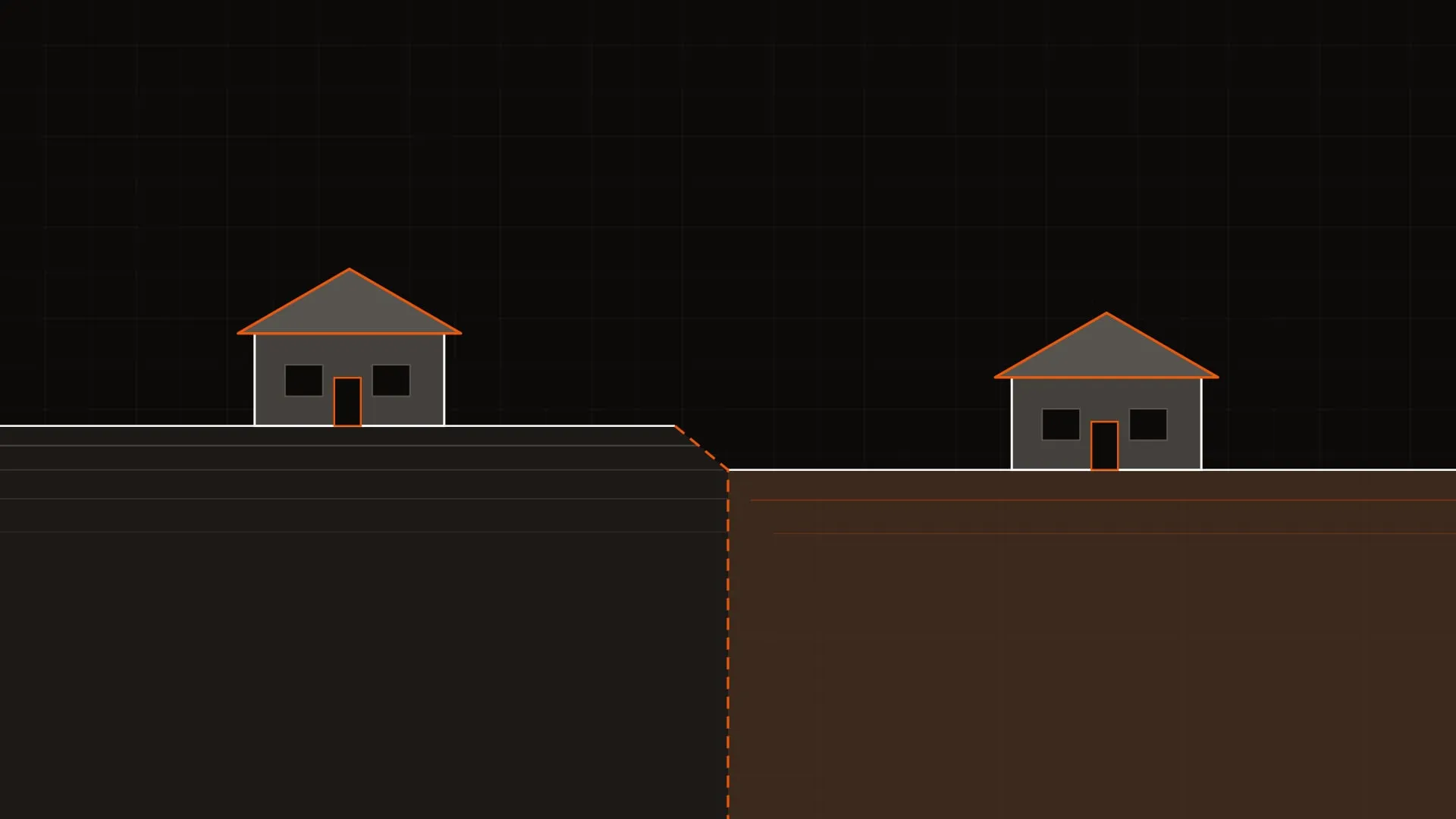
Direct answer: A concrete slab transmits water vapor upward continuously. On Central Texas expansive clay, the moisture content beneath that slab varies seasonally as the soil swells and shrinks. Flooring specified without a vapor strategy is the single most common avoidable failure in an accessory dwelling, and it usually shows up as cupping or adhesive failure a year or two in.
This matters more on an ADU than on a house, because ADU slabs are frequently placed closer to grade and the units often sit at the low point of a lot where water collects.
Establish the vapor strategy first. Then choose the material.
The Options
Luxury vinyl plank. The practical default for rental units. It handles moisture, it survives dragged furniture and pets, and its best feature is repairability: a damaged plank can be replaced without touching the rest of the floor. Quality varies enormously within the category, and wear layer thickness is the specification that actually predicts lifespan.
Porcelain or ceramic tile. The most durable option and the coolest underfoot, which is a genuine advantage in Central Texas summers. It handles moisture completely. The tradeoffs are hardness underfoot, sound reflection in a small room, and the fact that repair means matching tile you bought years earlier. On a clay lot, tile is also the material most likely to show foundation movement as cracked grout lines.
Polished or stained concrete. The slab is already there, so this is often the least expensive finished floor and it is effectively indestructible. It suits a modern casita aesthetic well. The downsides are hardness, sound, and the fact that any future change means covering it anyway. It also makes underfloor conditions permanently visible: a crack in the slab is a crack in your floor.
Engineered wood. The best-looking option and the one that most makes a small unit feel like a home rather than a rental. It tolerates slab moisture far better than solid hardwood but is still the most moisture-sensitive choice here, and it is the least forgiving of tenant turnover.
Carpet. Only defensible in a bedroom of an owner-occupied or family-occupied unit. In a rental it is a replacement cost on a fixed schedule.
Match the Material to the Use
Long-term rental: LVP throughout, with tile in the wet areas. Optimize for repairability and turnover survivability.
Short-term rental: LVP or tile. Presentation matters more, but so does cleaning between guests.
Aging parent or family: Consider slip resistance and the transition between materials. Level transitions matter more than material choice, because a raised threshold between rooms is a trip hazard in a unit specifically built for someone with declining mobility.
Studio or home office: Polished concrete is worth considering. Durability is not the constraint, and the cost saving is real.
The Detail That Decides It
Whatever goes down, the transition at the door and the perimeter expansion gap do more for long-term performance than the material grade does. Floors installed tight to the wall on a slab that moves seasonally have nowhere to go, and they buckle.
That gap is invisible under the baseboard and it is the difference between a floor that lasts and one that does not.
Ready to Plan Your Round Rock ADU Project?
Schedule a free property feasibility assessment with our local engineering team or explore our custom building services.
We pull your parcel's limits first.
Everything below is the general case. The zoning district, the setbacks and the soil under one address are what actually set the budget.
Call (512) 690-0340Mon - Sat: 7:00 AM - 7:00 PM