
Round Rock ADU Builders: Detached ADU & Backyard Casita in Round Rock, TX
Round Rock ADU Builders provides expert detached adu & backyard casita in round rock, tx across Round Rock and Williamson County, Texas. Standalone casitas and backyard guest houses, sited and engineered around what your lot's ground will actually carry.
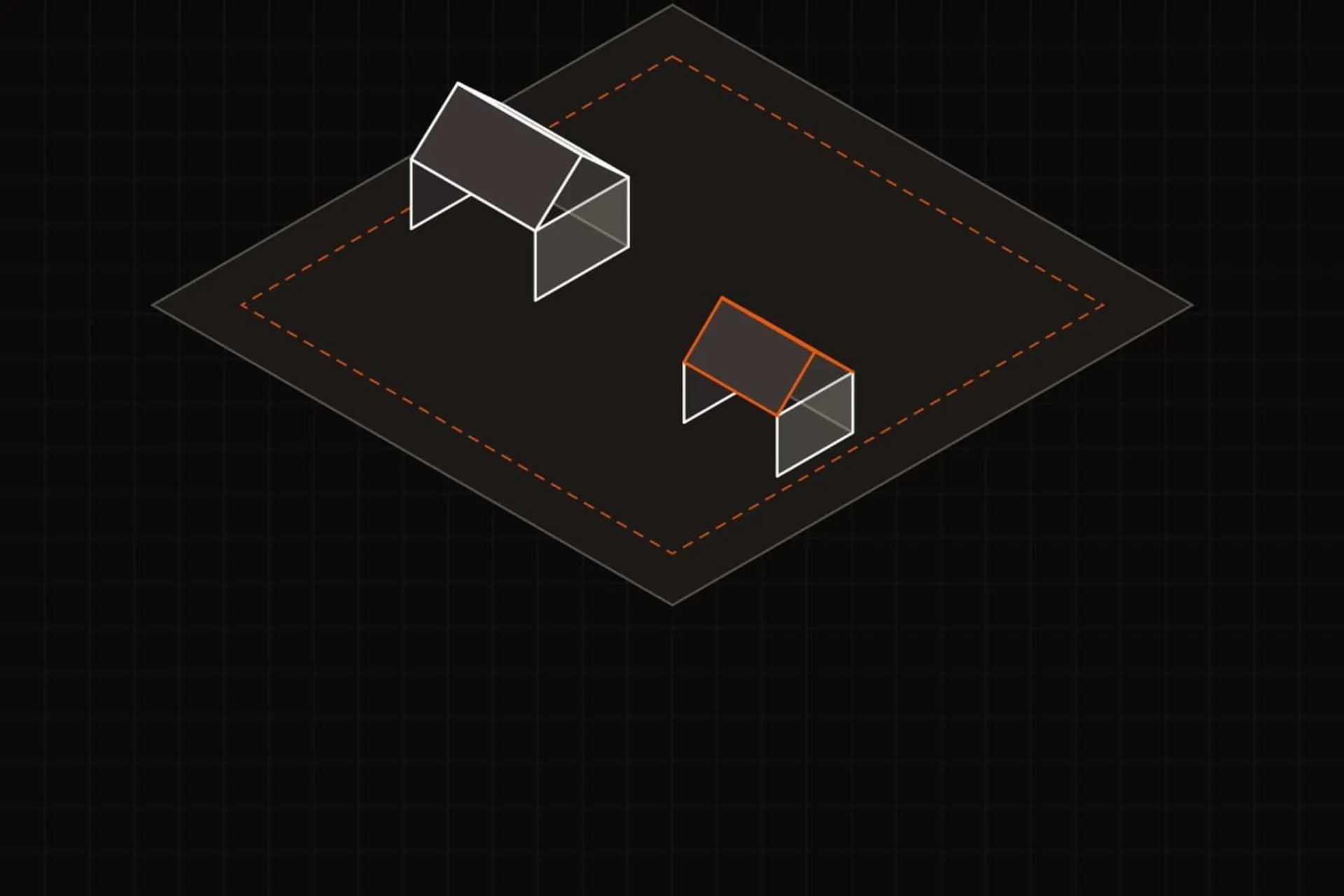
A detached unit is the version most homeowners picture: a separate small building at the back of the lot with its own entry, its own outdoor space, and genuine separation from the main house. It is the most expensive of the three build types and the one that delivers the most privacy and the strongest standalone appeal.
Whether your lot supports one is a question of geometry and geology, and both are answerable before you spend anything on drawings.
What Does Detached ADU Construction Involve in Round Rock?
Direct answer: A detached ADU needs its own foundation, its own full building envelope, and its own water, sewer and electrical service run from the primary residence. That makes site work and utility distance the two largest cost variables, and in Round Rock both are decided by which side of the Balcones Escarpment your lot sits on.
What Decides the Cost on Your Lot
Three things move the number more than square footage does.
Depth to rock. West of the escarpment, limestone can sit a foot or two below grade. Foundation excavation and trenching may need a hydraulic hammer rather than a standard bucket. East of it, the ground is deep Blackland Prairie clay: easy to dig, but the slab has to be engineered against seasonal movement. Our guide to rock excavation in Williamson County covers how depth gets established and what it changes about the bid.
Distance from the house. Every additional foot of separation is another foot of water, sewer and electrical trench. Sewer is the unforgiving one, because it has to maintain fall and cannot be routed around an obstruction the way a conduit sometimes can.
What the buildable envelope allows. Setbacks, easements, lot coverage and minimum separation from the primary structure between them decide the footprint. Occasionally they decide that a detached unit does not fit at all, which is far better to learn at the site visit than after design.
What the Scope Covers
- Site assessment, soil report review and siting within the buildable envelope
- Foundation designed to the geotechnical findings rather than to a standard detail
- Framing, roof structure, weather barrier and exterior cladding
- Water, sewer and electrical service from the primary residence, with sub-panel
- Mechanical, plumbing and electrical rough-in through to trim
- Insulation and envelope sealing specified for Central Texas cooling loads
- Interior finish out: kitchen, bath, flooring, fixtures
- Inspection coordination through to final sign-off
When a Detached Build Is the Right Call
It suits deep lots, long-term rental plans, and situations where genuine separation matters, whether that is a tenant, an adult child, or a parent who wants their own front door rather than a room in your house.
It is the wrong call on a shallow lot where the unit would crowd the primary residence, and on a rocky lot where a long utility run pushes site work past the point where the extra privacy is worth what it costs. In both cases an attached suite or a garage conversion usually delivers better value per dollar. Our Round Rock ADU cost breakdown sets those options against each other line by line, and what actually takes the longest when building an ADU covers where the schedule really goes.
Before You Commit
Establish depth to rock along the foundation footprint and the utility route. Confirm wastewater capacity if the property is on septic. Pull the setback, height and lot coverage limits for your zoning district. Locate the easements on a current survey.
Those four checks cost very little and they determine whether the unit you have in mind is buildable as imagined.
On septic, what a second dwelling does to your required design flow is worth reading before you settle on a bedroom count. If you are still working out how to pay for the build, a HELOC against a construction loan compares the two routes.
Call (512) 690-0340 to arrange a site assessment.
Technical Specifications & Performance Standards
Materials & Tech
- • Reinforced post-tension concrete slab
- • Structural-grade lumber & engineered steel beams
- • Class A fire-rated composite roofing shingles
- • High-performance dual-pane Low-E vinyl windows
- • Closed-cell spray foam insulation
Performance Metrics
- • High-efficiency energy envelope rating
- • Wind uplift resistance up to 110 mph
- • Zero-grade threshold options for accessibility
Code Standards
- • International Residential Code (IRC 2021)
- • ASTM C109 Concrete Strength Standards
- • Licensed Class B General Builder Standards
Service FAQs
How much yard do I need for a detached ADU in Round Rock?
Less than most people assume, but the number that matters is the buildable envelope left after setbacks, easements and lot coverage are applied, not the total yard size. A large yard crossed by a rear utility easement can have less usable area than a modest one.
Why does the same casita cost more on one Round Rock lot than another?
Depth to rock and utility run distance. West of the Balcones Escarpment a foundation and sewer trench may need rock equipment; east of it the slab is engineered against clay movement instead. Both are knowable before design if the ground is investigated first.
Talk to the engineer, not a salesperson.
Questions about rear setbacks, a post-tension slab over Blackland clay, or what the Round Rock Code of Ordinances permits on your district? Ask before you design.
Call (512) 690-0340Mon - Sat: 7:00 AM - 7:00 PM