
Round Rock ADU Builders: Best ADU Siding Material for Texas Sun, Hail & Heat
Round Rock ADU Builders presents this guide on best adu siding material for texas sun, hail & heat for property owners in Round Rock and Williamson County, Texas.
ADU Siding and Cladding: What Survives Central Texas
Cladding is the system most exposed to everything Central Texas does badly: sustained UV, 100-degree summers, hail, and on clay lots, a building that moves seasonally underneath it. It is also the most visible decision you will make, and the one most constrained by neighborhood review.
What the Climate Actually Does to Cladding
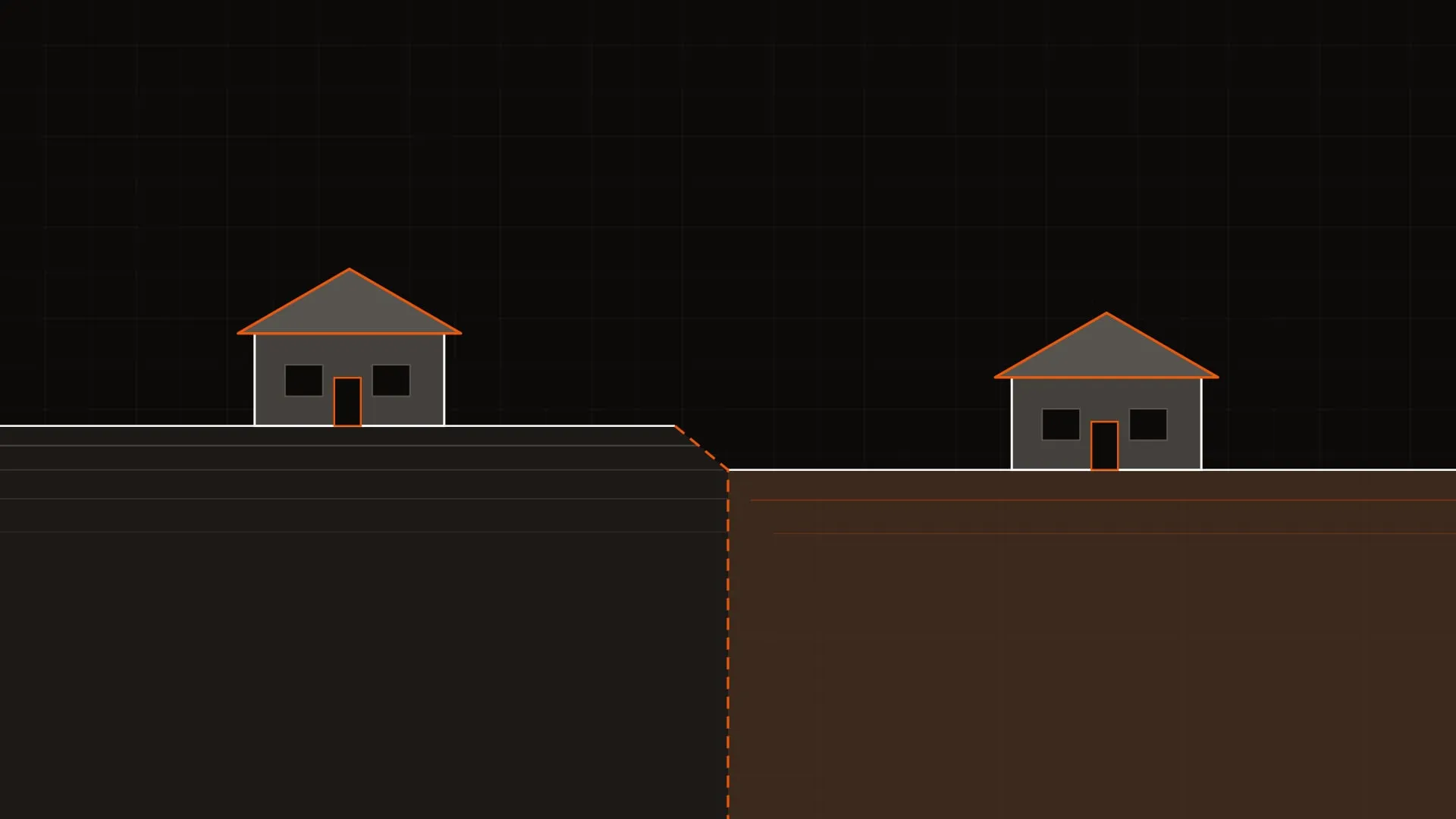
Direct answer: Three local forces drive cladding failure. Sustained UV degrades pigments and some polymers. Sustained heat causes thermal expansion and, in vinyl, distortion. Hail causes impact damage. On expansive clay lots a fourth factor applies: seasonal foundation movement transfers stress into the cladding, and brittle systems show it as cracking.
A material that handles three of those and fails the fourth is not a good choice here.
The Realistic Options
Fiber cement. The default for good reason. It is dimensionally stable through heat cycles, holds paint well under UV, resists impact reasonably, and termites have no interest in it. It is heavy to install and requires proper flashing detail, but its failure modes are slow and visible rather than sudden.
Stucco. Common across Central Texas and appropriate to the regional vocabulary. It performs well against UV and heat. Its weakness is movement: on expansive clay, stucco is the system most likely to telegraph foundation movement as cracking. Where the foundation is properly engineered and the lot is on limestone, that risk drops considerably.
Masonry veneer. Brick or stone. The most durable option and the most consistent with much of the local housing stock. It adds significant weight, which means foundation design has to account for it from the start rather than as a late substitution. Cost is the main constraint.
Board and batten. Increasingly popular on casitas because the vertical rhythm suits a small building and reads as intentional rather than economical. Performance depends entirely on the substrate: fiber cement board and batten behaves like fiber cement, and wood board and batten behaves like wood, which in this climate means a maintenance commitment.
Vinyl. Generally the wrong answer here. Sustained Central Texas heat, particularly on a west-facing elevation, causes distortion, and the material’s impact resistance in hail is poor.
The Matching Question
Neighborhood architectural committees in Teravista, Paloma Lake, Behrens Ranch, and similar communities typically require the accessory unit to match the primary residence in material, color, and roof treatment.
This is worth treating as a design opportunity rather than a constraint. A casita clad to match the house reads as part of a single property. One clad in whatever was cheapest reads as an addition, and appraisers and buyers both notice.
Detailing Matters More Than Material
The most common cladding failures we see are not material failures. They are detailing failures: flashing at penetrations, clearance at grade, and drainage plane continuity behind the cladding.
Keeping the bottom edge properly clear of grade matters especially on clay lots, where soil heaves seasonally. Cladding installed tight to grade in a dry season can end up in contact with soil in a wet one, which wicks moisture into the assembly.
Choosing
If the neighborhood requires matching, that decides it. If not, fiber cement is the safe default for a Central Texas ADU. Masonry veneer if the budget allows and the foundation was designed for it. Stucco where the lot is on rock rather than clay. Board and batten on a fiber cement substrate where the look matters.
Whatever you choose, spend the attention on flashing and grade clearance. That is where the money is either saved or lost over twenty years.
Ready to Plan Your Round Rock ADU Project?
Schedule a free property feasibility assessment with our local engineering team or explore our custom building services.
We pull your parcel's limits first.
Everything below is the general case. The zoning district, the setbacks and the soil under one address are what actually set the budget.
Call (512) 690-0340Mon - Sat: 7:00 AM - 7:00 PM